

PH creates ‘Secondary Inspection Areas’ for air travelers
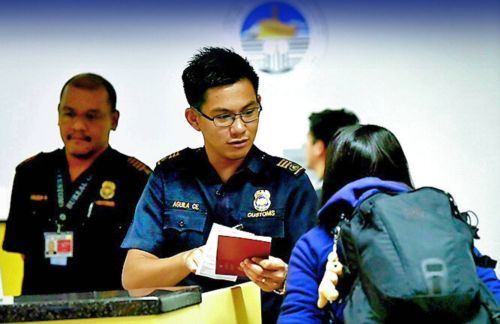
AIR travelers to the Philippines should not be surprised if some of them are requested to pass by a ‘Secondary Inspection Area’ (SIA) on arrival or prior to departure at the country’s international airports as part of the reforms being initiated by Bureau of Customs.
In a statement released on February 17, the BOC clarified that secondary inspection does not automatically mean a violation.
“It is a standard procedure used worldwide to ensure proper verification and orderly processing while avoiding unnecessary inconvenience to other passengers,” the statement reads.
Commissioner Ariel F. Nepomuceno also reminded customs officers assigned to passenger services to always observe courtesy, care, and professionalism when dealing with both arriving and departing international travelers, regardless of circumstance.
He said the added procedure also aligns with the directive of President Ferdinand R. Marcos Jr. to deliver efficient and people-centered government services.
“Every passenger deserves to be treated with respect and fairness,” Commissioner Nepomuceno said.
“Secondary inspection is not meant to intimidate or inconvenience anyone. It is a standard process to make sure checks are done properly, in a secure and private space, while protecting the rights of travelers and the safety of our officers.”
The SIA is a separate and secure space where passengers may be referred for additional checks when necessary, including further verification of documents or baggage, especially when a traveler requests privacy during inspection.
When practicable, inspections shall be conducted by a customs officer of the same gender as the passenger, with privacy and proper assistance provided to ensure comfort, dignity, and respect.
Each SIA must be private, accessible only to authorized personnel, properly equipped for inspection activities, and covered by CCTV cameras to promote transparency and accountability, in accordance with existing laws and regulations.
District Collectors overseeing international airports have been directed to ensure that these areas are fully operational and compliant with the guidelines, and to submit an implementation report within 30 days.

Comments are closed.